


Boosting business dynamism is a priority for countries, especially when their economies are growing below their potential. Under such circumstances, the ability to create formal jobs, reduce poverty, and generate the tax revenue needed to finance essential public goods and services is diminished. Therefore, in this context, it is essential…
165 total views, 21 views today

Digital Identification Guide for the Tax Administration (II) The digitalization of tax administrations requires more than just online portals and forms: it requires trust. The Digital Identity Guide for Tax Administrations argues that this trust is built on three integrated pillars: a robust regulatory framework that recognizes the legal validity…
1,229 total views, 23 views today

Introduction The digitalization of the economy challenged the foundational principles of international taxation, particularly the concept of a permanent establishment as the basis for allocating taxing rights. Large digital platforms are able to generate significant economic value in jurisdictions where they lack a physical presence, thereby eroding the tax bases…
2,974 total views, 17 views today

Structured Summary The adoption of artificial intelligence (AI) in Peru’s public administration requires transparency, traceability, and accountability. Large language models (LLM1) offer powerful capabilities, but they also pose risks such as hallucinations, opacity, and reliance on unverified data—risks that are unacceptable in government settings. Objective. To analyze the potential of…
3,212 total views, 16 views today
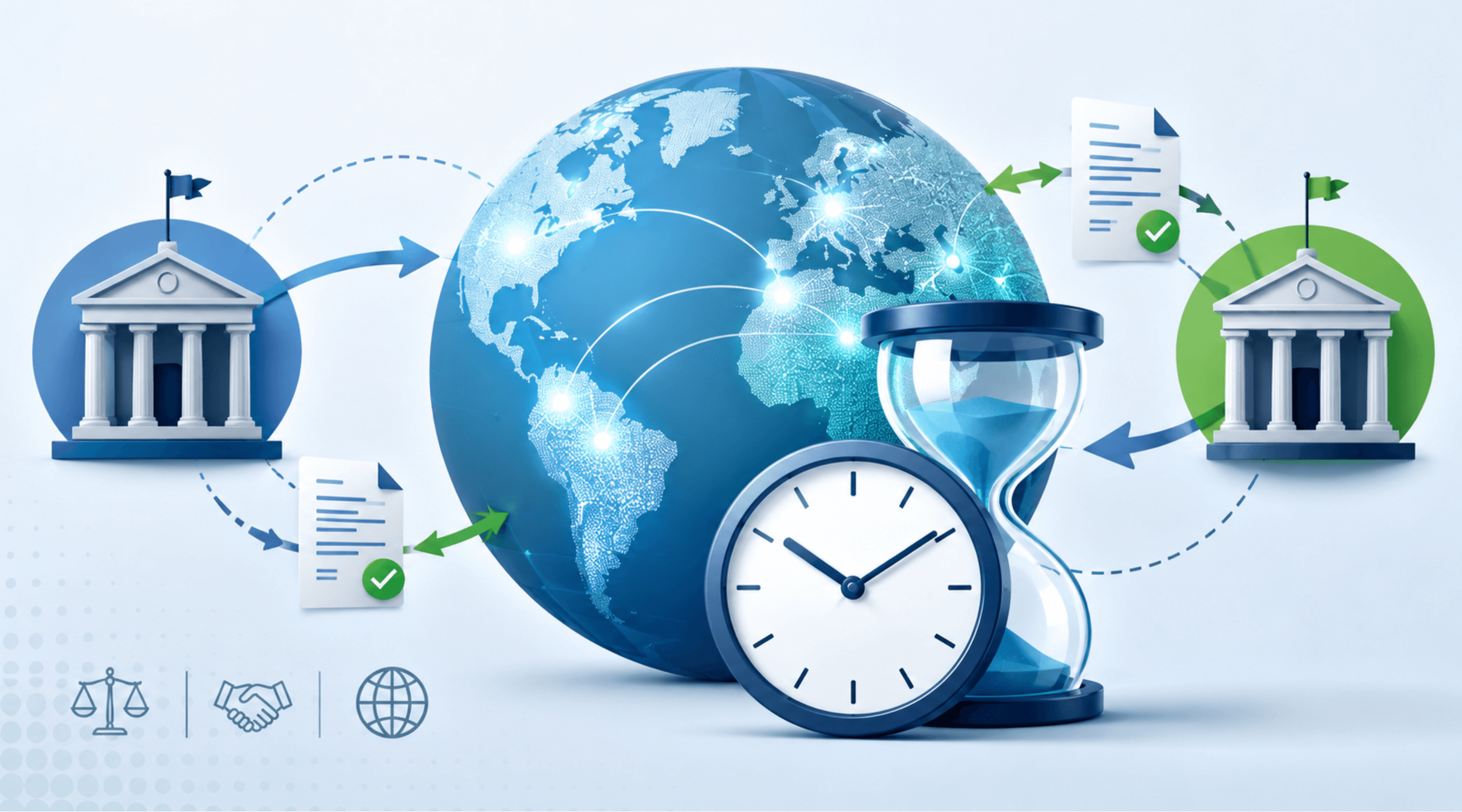
International tax cooperation is a practice that has proven to have a significant impact on tax administrations’ compliance strategies. Today, it is undoubtedly one of the cornerstones of tax administrations, and the expectation is that tax administrations will increase their level of cooperation. According to the Progress Report on the…
3,444 total views, 19 views today

1) Introduction In this third installment of the [i] series (Part 3), we continue addressing the question: where do tax administrations currently stand, and where are they heading in terms of digitalization and digital transformation? On this occasion, the analysis focuses on taxpayer touchpoints, understood as the set of channels, interfaces, and…
3,895 total views, 16 views today