CIAT and SEFAZ-AL Strengthen Tax Modernization in Brazil with the Advancement of the SATI Project
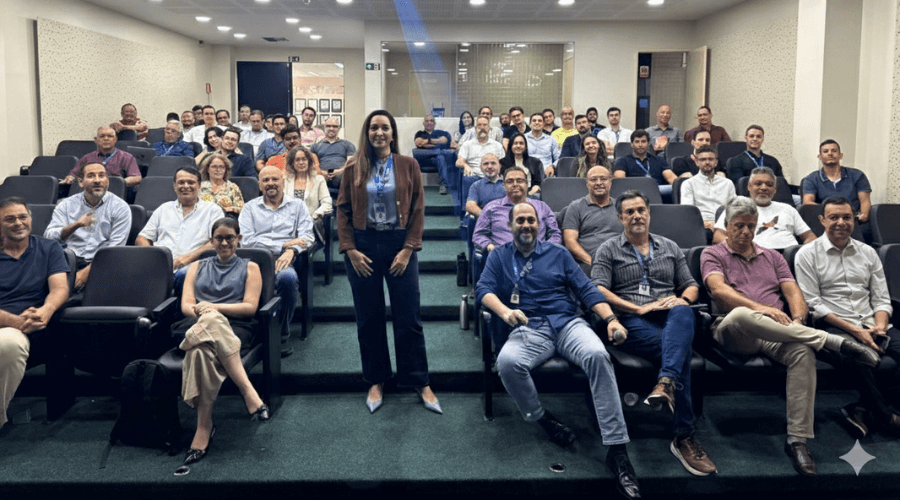
Maceió, Brazil – As part of Phase 2 of the technological and tax management project in the State of Alagoas, the Inter-American Center of Tax Administrations (CIAT) and the Secretariat of Finance of the State of Alagoas (SEFAZ-AL) held a series of strategic meetings to consolidate the development of the SATI system (Integrated Tax Administration System).
The main objective of this technical mission was to align institutional governance and quality protocols that will guide the construction of a new digital ecosystem, which will progressively replace legacy structures with a next-generation integrated platform.
International Cooperation and Management Excellence
Under CIAT’s General Management, the team of expert consultants presented the Governance and Quality Plan, introducing agile methodologies and international Quality Assurance (QA) standards for software validation.
“The SATI system is not only a technological solution, but a transformation in the way tax administrations interact with revenue collection and enforcement processes,” highlighted the Project Management.
Key Technical Milestones:
- • Strategic Alignment: Working sessions between SEFAZ-AL auditors and the CIAT technical team to define the roadmap for critical products such as Public Policy Evaluation and Management Control.
- • Digital Governance: Implementation of real-time monitoring tools (Jira and Xray) to ensure full transparency in the progress of contractual milestones.
- • Institutional Integration: Kick-off meetings to coordinate the Legal Affairs, Active Debt, and Revenue Collection areas, eliminating information silos.
Impact for the State
This partnership reaffirms Alagoas’ commitment to state modernization, positioning SEFAZ-AL as a reference in tax innovation in Brazil, with the technical support and field experience that CIAT provides to its member countries.
The implementation of SATI will enable more efficient management, reducing operational costs and improving the relationship with taxpayers through more robust and transparent systems.
2,635 total views, 2 views today