Latindadd and CIAT Celebrate 15 Years of Collaboration to Strengthen Tax Cooperation in Latin America and the Caribbean
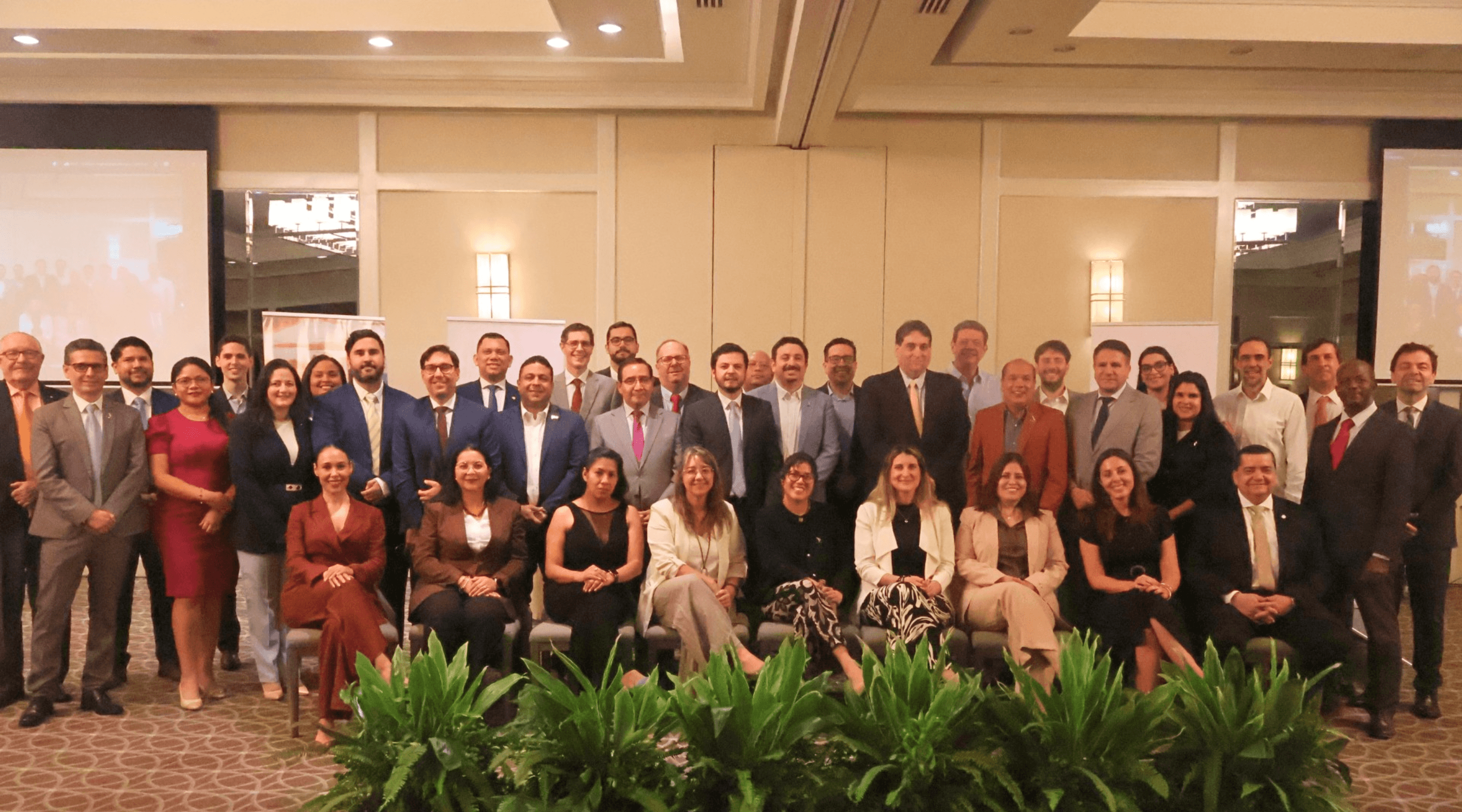
Panama, June 24, 2026. With the participation of 12 representatives from tax administrations in Latin America and the Caribbean, along with tax experts, representatives of civil society organizations, international organizations, and professional associations, Latindadd and the Inter-American Center of Tax Administrations (CIAT) commemorated fifteen years of joint work during the 15th Regional Meeting with Tax Authorities on International Taxation held on June 23 and 24 in Panama.
The meeting reaffirmed the commitment of both institutions to promoting a permanent forum for technical dialogue on the main challenges of international taxation and to strengthening the capacities of tax administrations in the region in the face of an increasingly complex global landscape. Since its inception, this partnership has fostered the exchange of experiences and best practices among tax authorities, academia, multilateral organizations, and civil society organizations.
The opening ceremony was led by Carlos Bedoya, General Coordinator of Latindadd; Marcio Verdi, Executive Secretary of CIAT; and Camilo Valdés, Director General of Revenue of Panama, who highlighted the importance of establishing a regional agenda based on cooperation, transparency, and tax equity
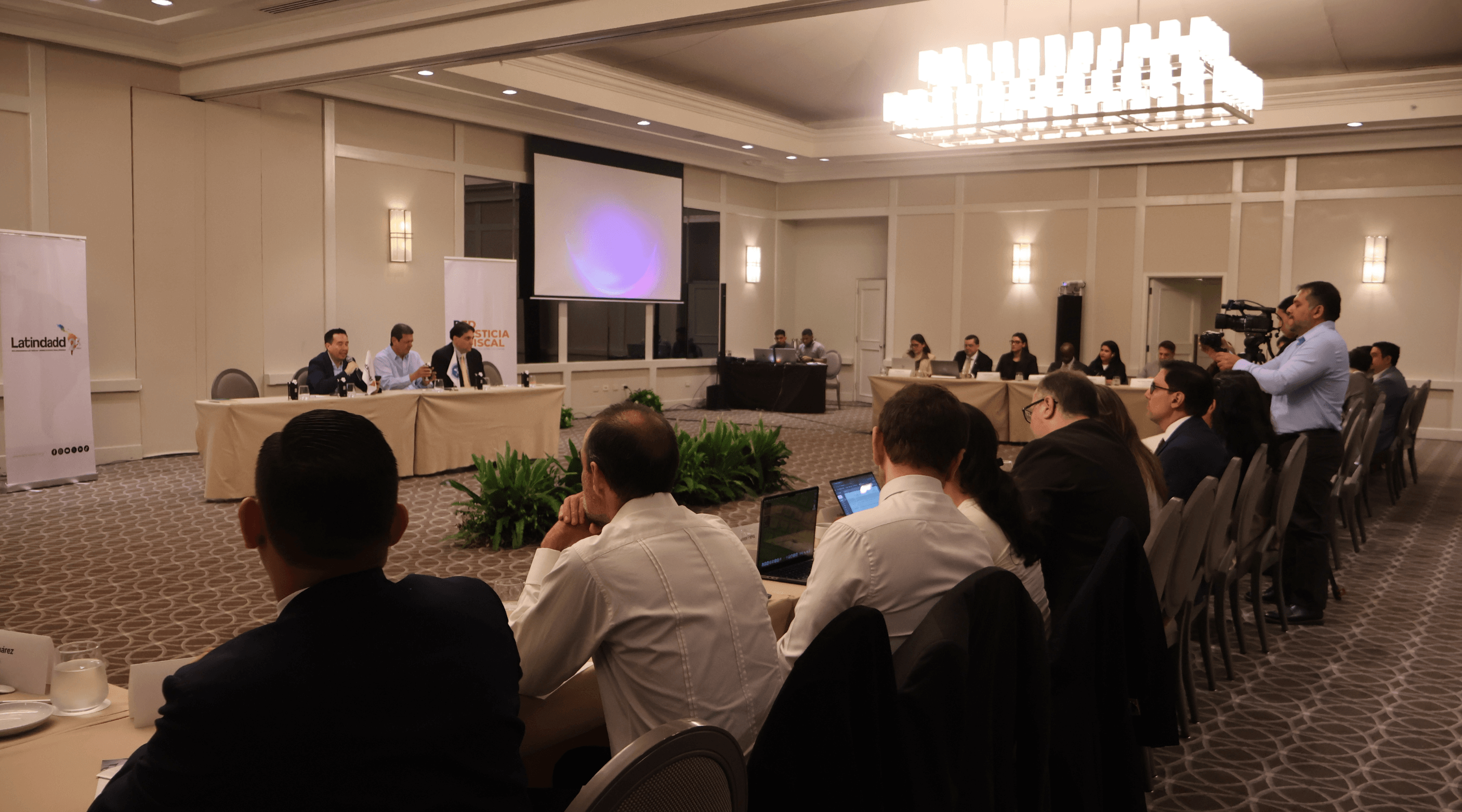
Over the course of these two days, eight thematic sessions were held that addressed some of the most relevant issues on the international tax agenda. Among these were the progress and challenges of the global and regional tax architecture, the process toward a United Nations Tax Convention, the Tax Platform for Latin America and the Caribbean, and the implementation of BEPS 2.0. Additionally, participants discussed the challenges posed by the digital economy for tax administrations, including the taxation of digital services, cryptoassets, and influencers.
The agenda also included sessions dedicated to the prevention of tax disputes, strengthening fiscal transparency through information exchange and ultimate beneficial owner registries, as well as an analysis of progress on Pillar 2 and transfer pricing. Experts from tax administrations and organizations such as ECLAC, the IDB, the OECD, the TJN, and the United Nations, as well as independent specialists and representatives from civil society and IFA, shared experiences, and proposals for addressing common challenges in the region.
Another key focus of the meeting was strengthening strategies against tax fraud, international cooperation to combat money laundering and the financing of terrorism, as well as the exchange of experiences regarding the use of tax information and fraud control. A document titled “Design and Implementation of General Anti-Avoidance Rules in Latin American Countries,” prepared by CIAT, the World Bank, and Peru’s SUNAT, with support from Swiss Cooperation (SECO), was also presented. The final session featured a discussion on the role of tax systems in reducing inequalities, incorporating perspectives on gender, race, and environmental sustainability.
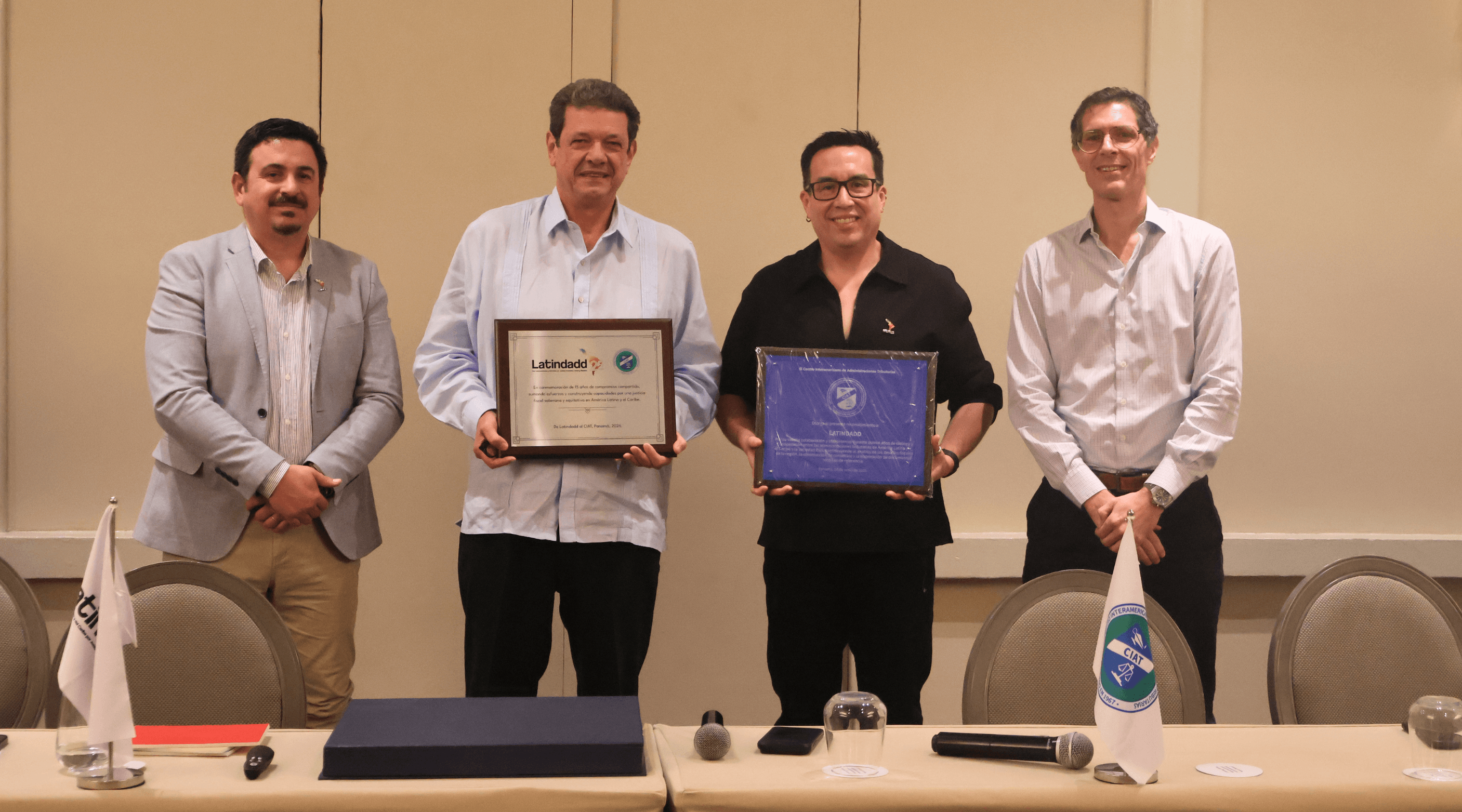
In line with the meeting’s objectives, the discussions sought to generate input for the design of more effective, transparent, and progressive tax policies; strengthen the institutional capacities of tax administrations; and promote regional cooperation in response to changes in the international tax architecture. Likewise, the need to incorporate cross-cutting approaches related to human rights, gender equity, and environmental financing into fiscal policies in Latin America and the Caribbean was emphasized.
As part of the celebration marking fifteen years of collaboration between Latindadd and CIAT, the closing session included the launch of a commemorative video that chronicles the history of the Regional Meetings on International Taxation and their contribution to building a community for technical exchange among tax administrations and specialized stakeholders in the region. The closing remarks were delivered by Adrián Falco, representing Latindadd, and Gonzalo Arias, representing CIAT.
After fifteen years of working together, both organizations reaffirmed their commitment to continue promoting opportunities for dialogue and cooperation that contribute to strengthening tax administrations, fiscal transparency, and the development of fairer and more effective tax systems for Latin America and the Caribbean.
41 total views, 41 views today